

Blog
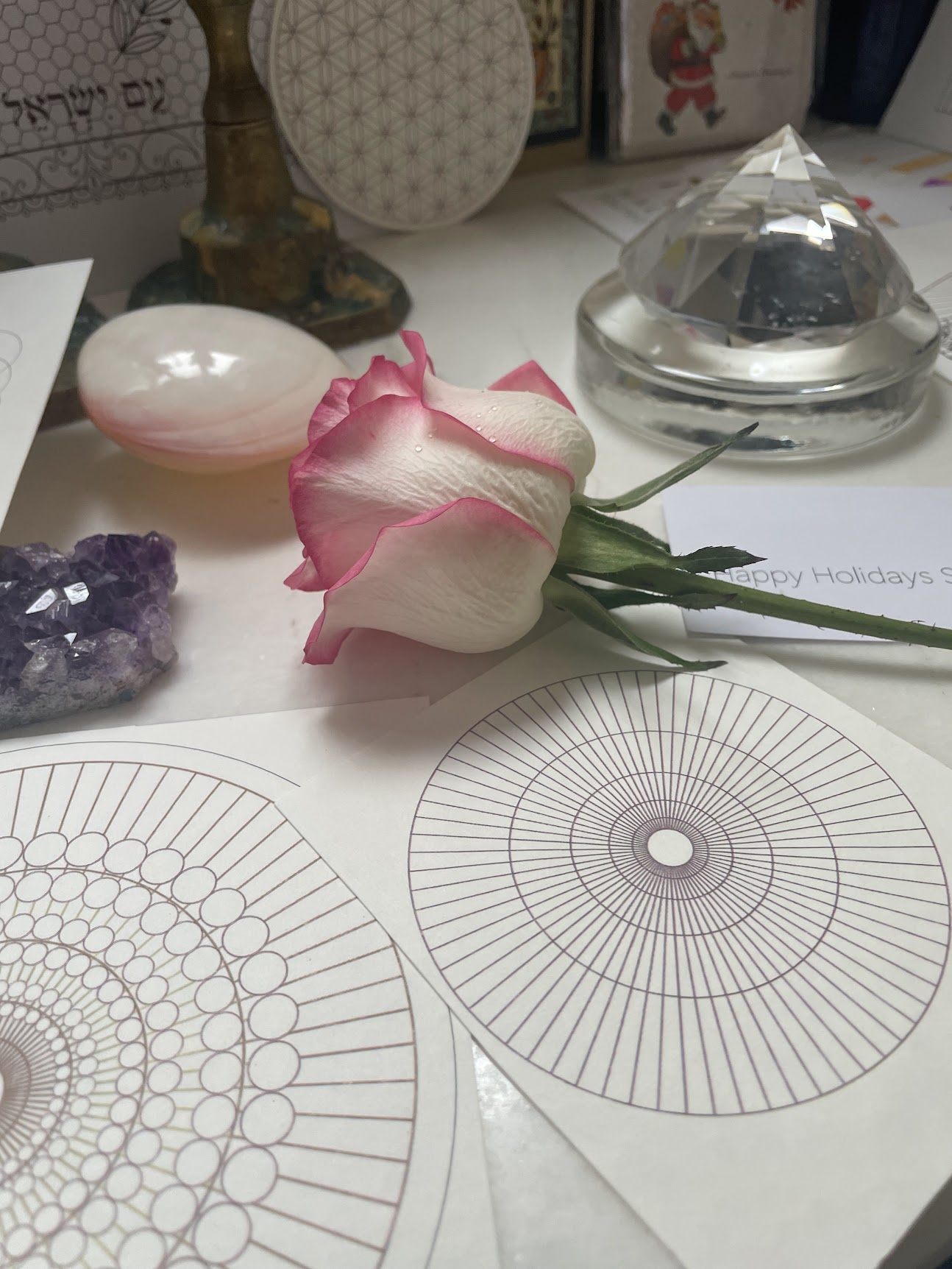
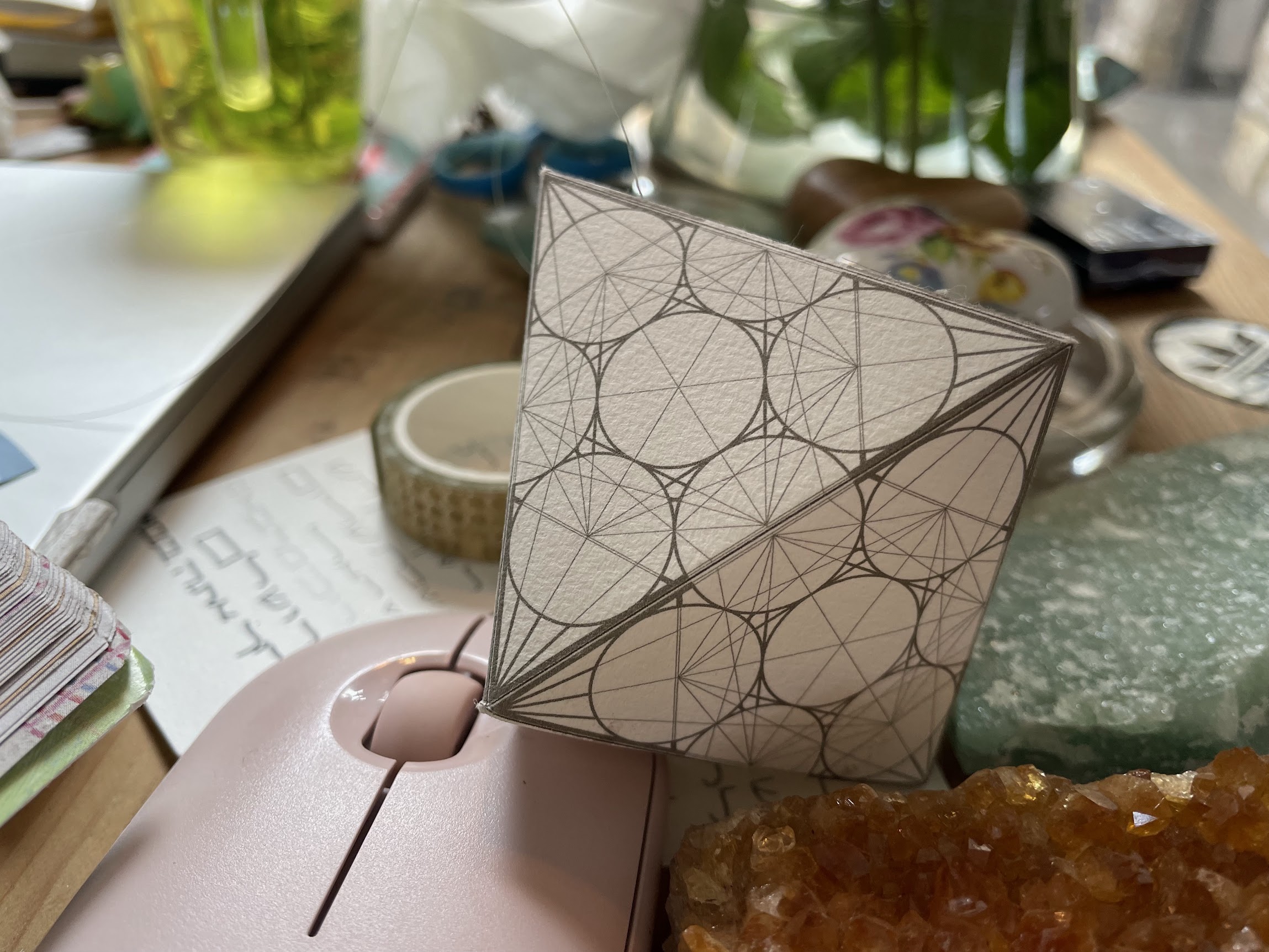
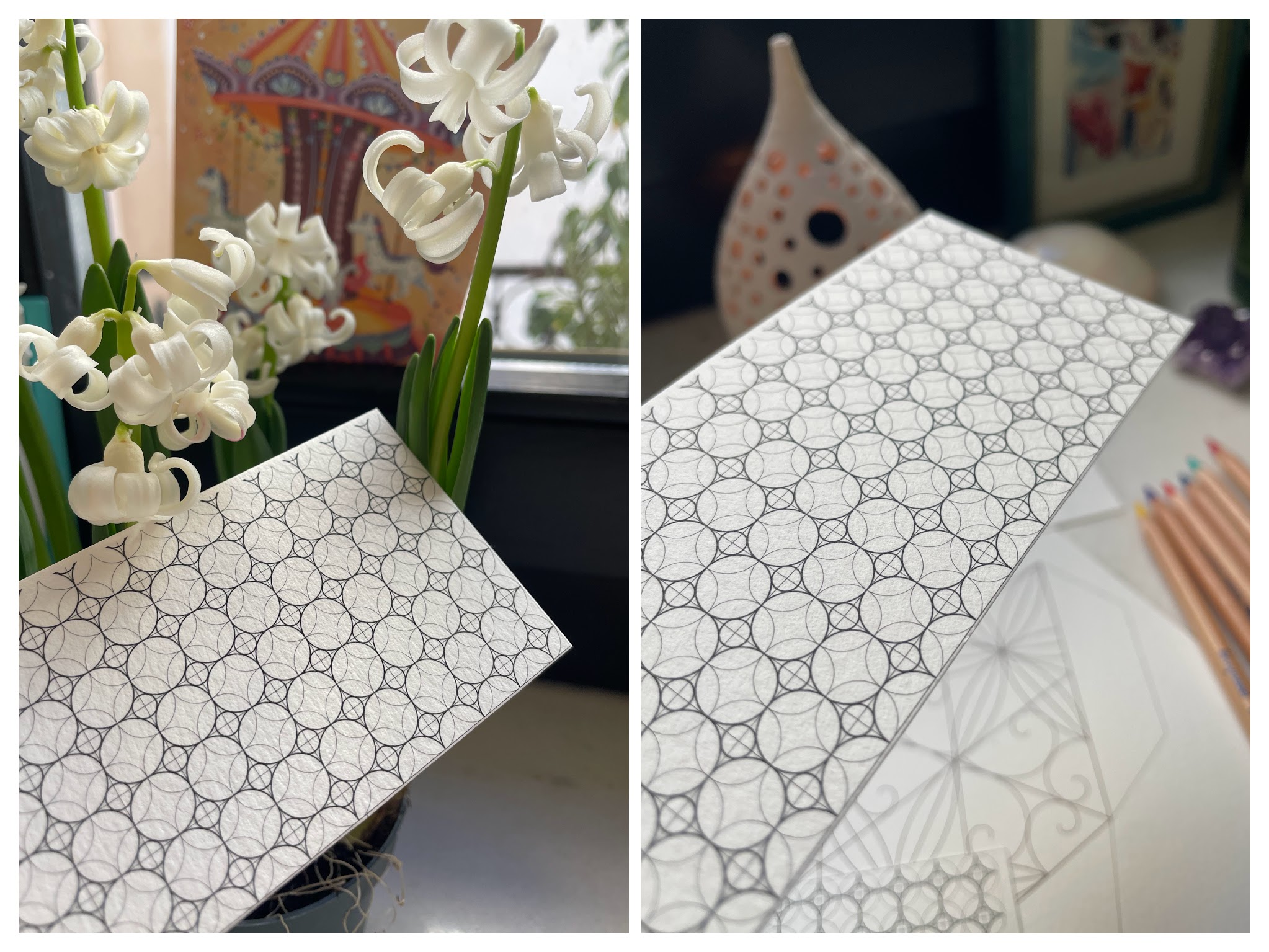
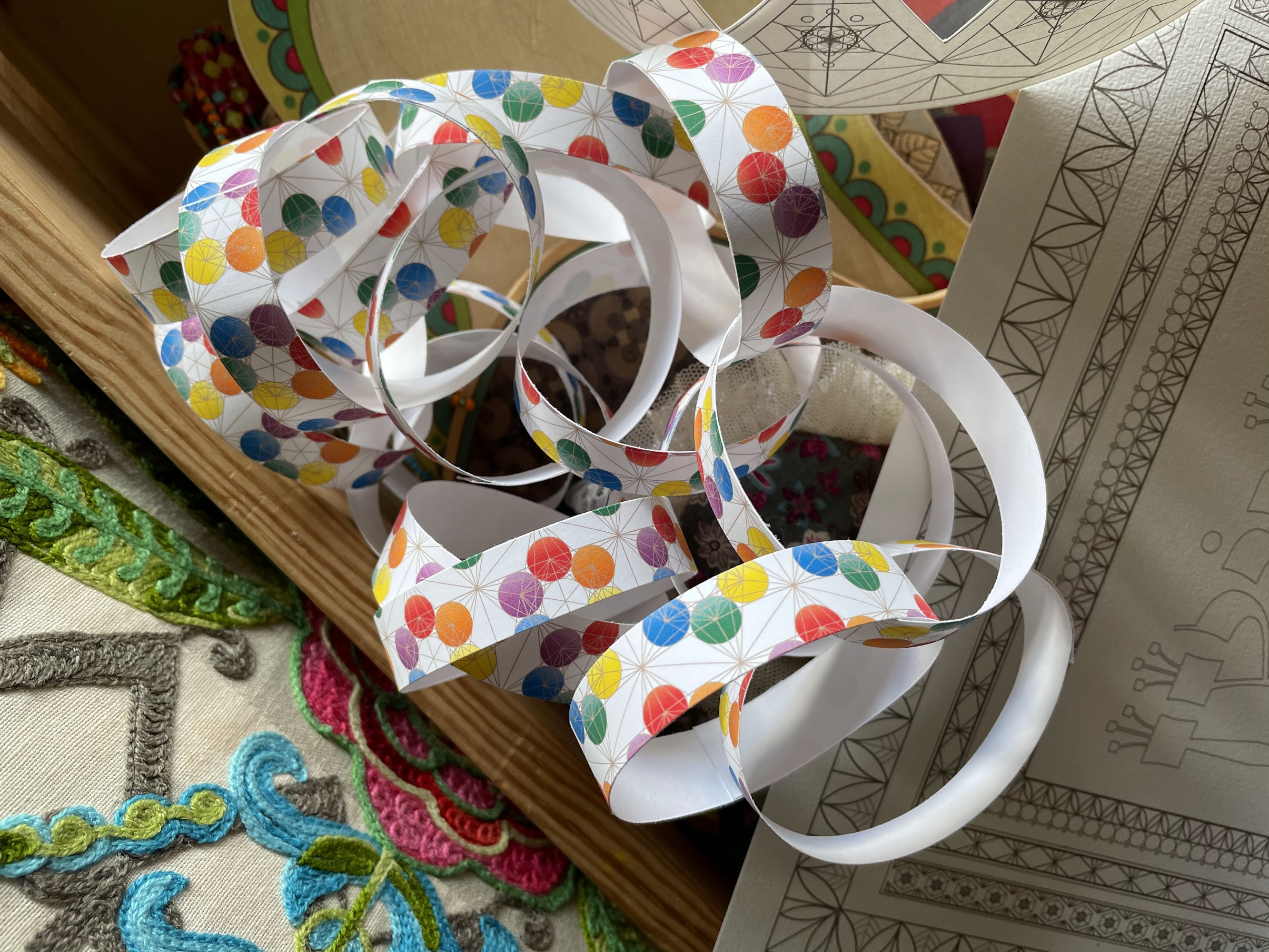
Based on research conducted in the fields of neuroscience, psychology and art therapy, it was found that geometric patterns and shapes can have a powerful effect on the human mind and body
Based on research conducted in the fields of neuroscience, psychology and art therapy, it was found that geometric patterns and shapes can have a powerful effect on the human mind and body, as follows:
What Happens in the Mind?
The human brain is wired to seek and recognize patterns. When exposed to geometric shapes—especially symmetrical or fractal ones—it triggers activity in the visual cortex, prefrontal cortex, and parietal lobes. Studies using fMRI scans show increased brain activation when viewing symmetric or patterned images, associated with visual processing, spatial reasoning, cognitive processing and even reward centers, which can evoke emotional upliftment. This neural synchronization leads to reduced cognitive load, pleasure, satisfaction, a feeling of mental clarity and internal order, as the brain finds satisfaction in symmetry, proportions, and balance.
Neuroimaging studies reveal that geometric shapes activate specific brain regions. While simple shapes can reduce activity in the ventral visual areas, they increase activation in regions involved in mathematical reasoning and symbolic processing, such as the intraparietal and inferior temporal cortex. Exposure to certain geometric shapes has been linked to improvements in cognitive abilities, including memory, attention, and increased creativity. These effects are thought to arise from the brain’s engagement with regular, harmonious patterns, which may stimulate mathematical processing regions and may result in better grounding, decision making, problem-solving and stability; improving the brain’s ability to transform perceptions into coordinated actions. This process enhances critical thinking and information sharing across brain regions.
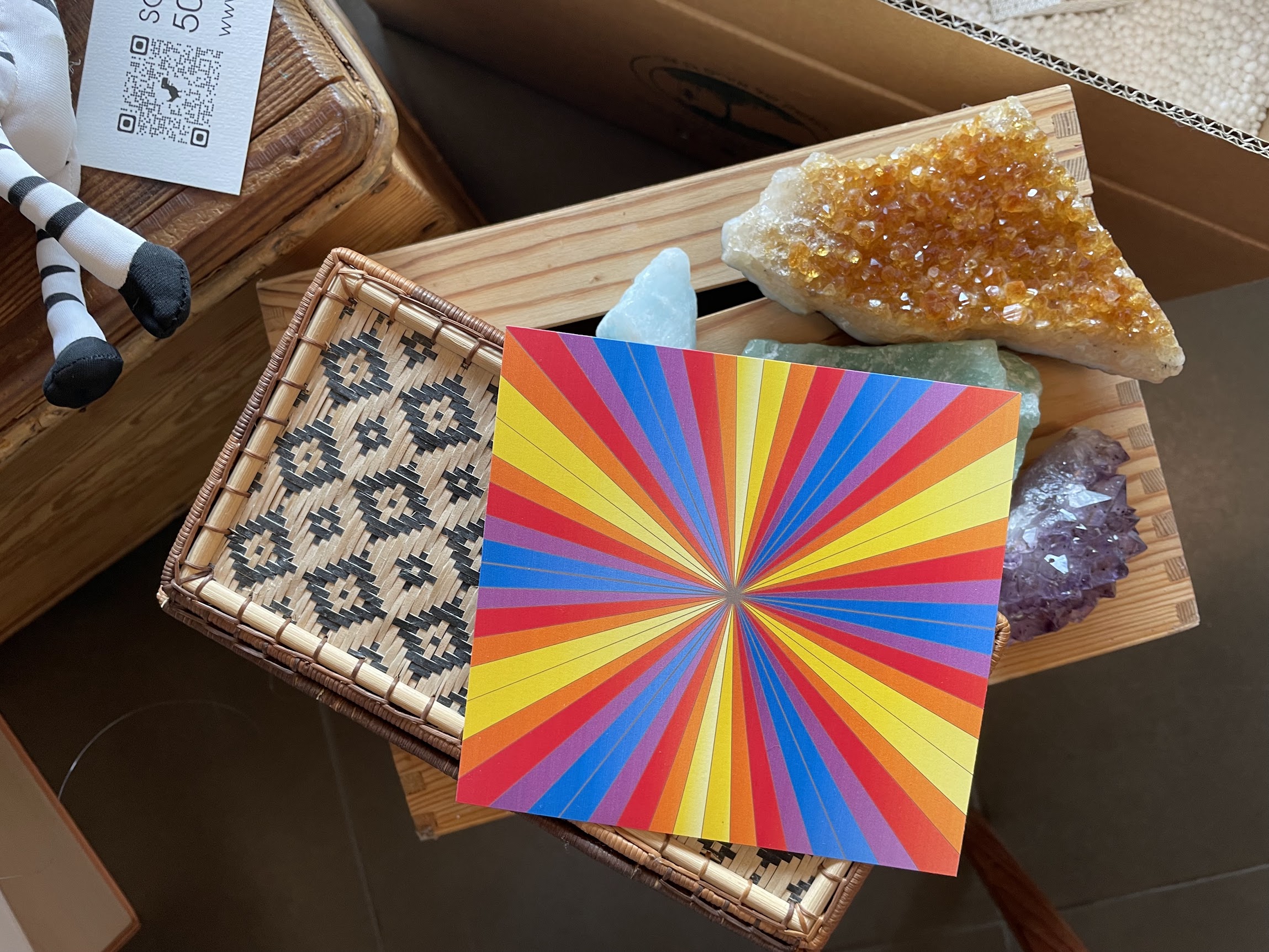
When viewing geometric patterns, thousands of neurological synapses are firing, indicating that geometric patterns can have measurable physiological effects on the nervous system. Fractal patterns, which are repetitive geometric shapes found in nature like snowflakes, seashells, honeycombs, lightning or tree branches are associated with increased alpha wave activity, linked to relaxation, wakeful rest, and reduced clutter that facilitate a meditative altered state of consciousness, deeper transcendental state, and a sense of wholeness or interconnectedness with the universe. The brain responds to geometric patterns through specific neural mechanisms. Depending on what pattern is chosen, different parts of the brain light up, blood flow increases, proteins are formed and utilized, chemicals are released and distributed and nerve cells fire and signal to one another. Research shows that full-field flickering visual stimulation produces regular, geometric hallucinations such as radial or spiral patterns, or complex patterns that help reduce mind-wandering. Computational models have revealed connections between these geometric patterns and brain anatomy.
What Happens in the Body?
While much of the research focuses on neurological effects, there are indications that geometric patterns may influence broader physiological processes. Viewing symmetrical and harmonious geometric designs like mandalas or tessellations has been shown to positively entrain the body’s autonomic rhythms with lower heart rate, blood pressure, syncing them into a slower, more coherent state. The body mirrors the mind’s calmness: muscle tension drops; shoulders, neck, jaw, and hands release excess tension and breathing becomes more regular. This activates the parasympathetic nervous system that governs rest, digestion, and recovery; it reduces somatic holding patterns often linked to stress or trauma, nourishes tissues and flushes out stress-related biochemical waste. The cardiovascular system shifts into a state of coherence, often experienced in reduced physical tension, and supports long-term heart health. Lower cortisol levels and increased oxytocin in the hormonal systems shift toward repair and balance, which strengthens the immune system and supports cellular regeneration.
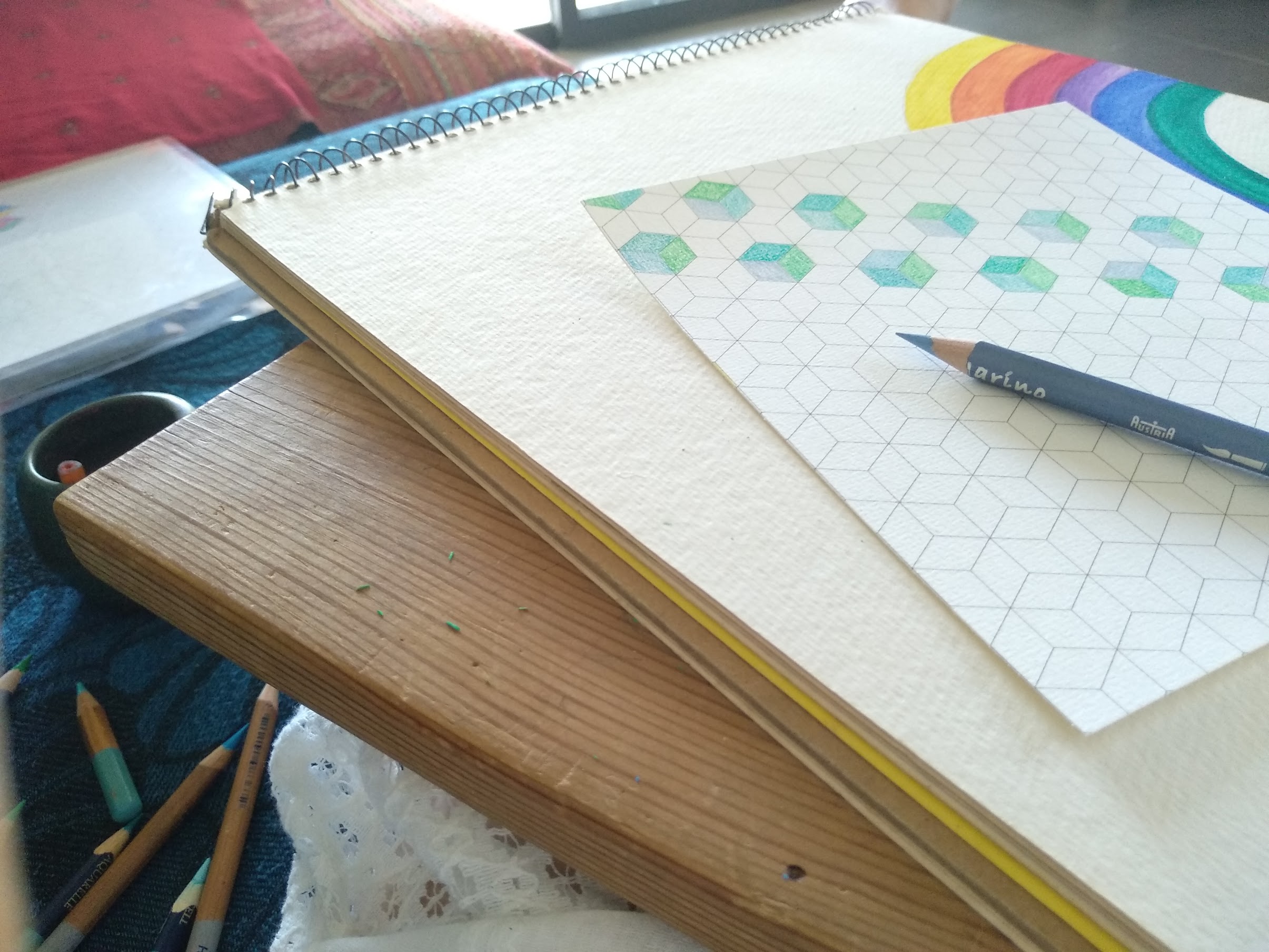
Holding a pencil, pen, or brush and carefully tracing or drawing shapes stimulates the hands, wrists, and arms; fostering visual perception, spatial navigation, and fine motor skills. It further enhances focus promotes mind-body coordination and improves neural feedback loops between body and brain. Geometric art therapy is used to treat PTSD, anxiety, and ADHD by promoting emotional regulation and sensory integration. Emotional regulation is the process by which individuals manage, monitor, and modify their emotional responses to meet the demands of different situations and control the intensity, duration, and expression of emotions. Effective emotional regulation enables people to respond to challenges in adaptive, socially appropriate ways, supporting mental health and well-being. This sensorimotor integration physical engagement further enhances the meditative effects, grounding the visual experience in bodily awareness, igniting a heightened sense of presence.